Ombudsmänner: The Quiet Problem-Solvers Who Stand Up for Fairness
Introduction: When You Feel Stuck and No One Listens
We’ve all been there. You follow the rules, file a complaint, send emails… and still feel ignored. It’s frustrating, exhausting, and honestly a bit helpless. And that’s exactly where come in.
You might not hear about them every day, but play a powerful role behind the scenes. They exist to listen when others won’t, to investigate when systems fail, and to make sure fairness isn’t just a nice idea but a real practice. Sounds reassuring already, right?
So let’s talk a actually do, why they matter, and how they can help regular people like you and me.
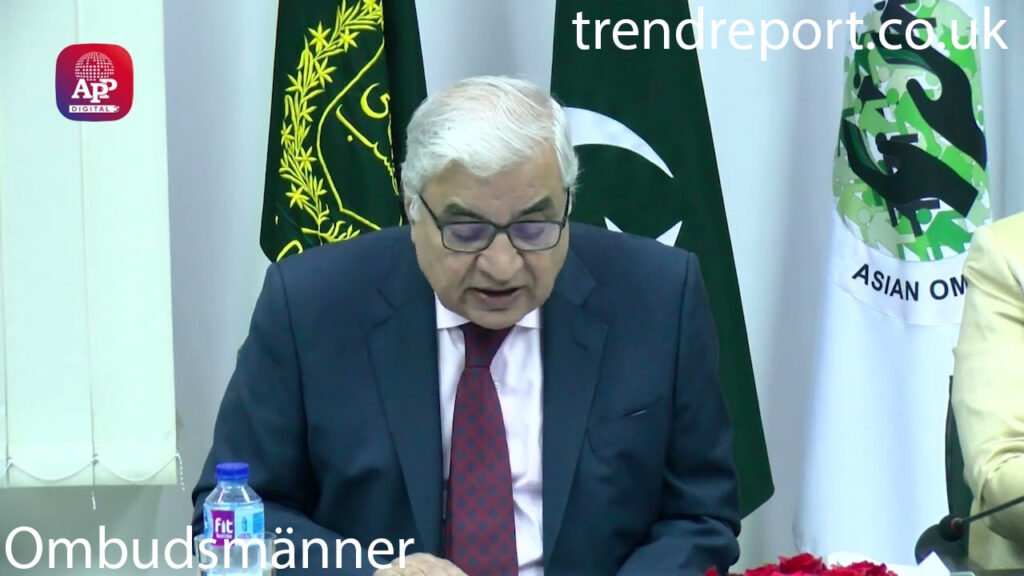
What Are Ombudsmänner?
At their core, Ombudsmänner (the plural form of ombudsman) are independent mediators. Their job is to handle complaints, resolve conflicts, and ensure transparency within organizations or public institutions.
A Neutral Voice in Complex Systems
You know what’s interesting? Ombudsmänner don’t take sides. They’re not there to defend a company, a government office, or even the complainant. Instead, they focus on:
-
Fairness
-
Objectivity
-
Accountability
-
Clear communication
And that neutrality is what makes them so valuable.
Where the Term Comes From
The word ombudsman originates from Sweden and roughly means “representative” or “advocate.” are found worldwide, adapting to modern legal, corporate, and social systems.
Work Today
Ombudsmänner aren’t limited to one area. In fact, they operate across many sectors.
Public and Government Institutions
Many countries appoint Ombudsmänner to oversee public administration. They investigate complaints about unfair treatment, delays, or misuse of authority.
Companies and Organizations
Large companies often have internal to address employee concerns, workplace conflicts, or ethical issues confidentially.
Media, Universities, and Healthcare
You’ll also find Ombudsmänner in:
-
News organizations (to address reader complaints)
-
Universities (to support students and staff)
-
Healthcare systems (to protect patient rights)
Pretty wide reach, right?
Why Ombudsmänner Are So Important
Let’s be honest—systems can feel intimidating. And that’s exactly why matter.
They Give People a Voice
Sometimes, filing a formal complaint feels like shouting into the void. Ombudsmänner actually listen. And more importantly, they act.
They Help Resolve Conflicts Peacefully
Instead of escalating issues into legal battles, Ombudsmänner focus on mediation and practical solutions. Less stress. More understanding.
They Improve Systems From the Inside
By identifying patterns and recurring problems, help organizations improve policies and prevent future issues.
When Should You Contact an Ombudsman?
So, how do you know if an Ombudsman is the right step?
You should consider contacting if:
-
You’ve tried regular complaint channels without success
-
You feel treated unfairly or ignored
-
You need confidential advice
-
You want a neutral review of your situation
And here’s the good part—many Ombudsman services are free and confidential.
What Ombudsmänner Do Not Do
To keep expectations realistic, it’s worth knowing their limits.
-
They don’t act as personal lawyers
-
They usually can’t force decisions
-
They don’t replace courts or legal systems
But what they can do is guide, mediate, and influence change. And sometimes, that’s exactly what’s needed.
Conclusion: Quietly Making Fairness Possible
Ombudsmänner may not make headlines, but their impact is real. They stand between individuals and complex systems, making sure fairness, transparency, and accountability aren’t just promises.
So if you ever feel unheard, stuck, or unsure where to turn, remember this—there’s often an Ombudsman whose job is simply to listen and help. And that alone can make all the difference.