Earth Science Topics: Exploring the Planet We Call Home
Introduction: The Ground Beneath Your Feet Has a Story
Have you ever looked at a mountain, felt an earthquake tremor on the news, or watched clouds roll in before a storm and wondered, how does all of this actually work? We’ve all had that moment of curiosity. And honestly, that curiosity is exactly where earth science topics begin.
Earth science isn’t just something locked away in textbooks. It’s happening around us every single day—sometimes quietly, sometimes dramatically. And once you start understanding it, the world feels a whole lot more fascinating.
What Are Earth Science Topics, Anyway?
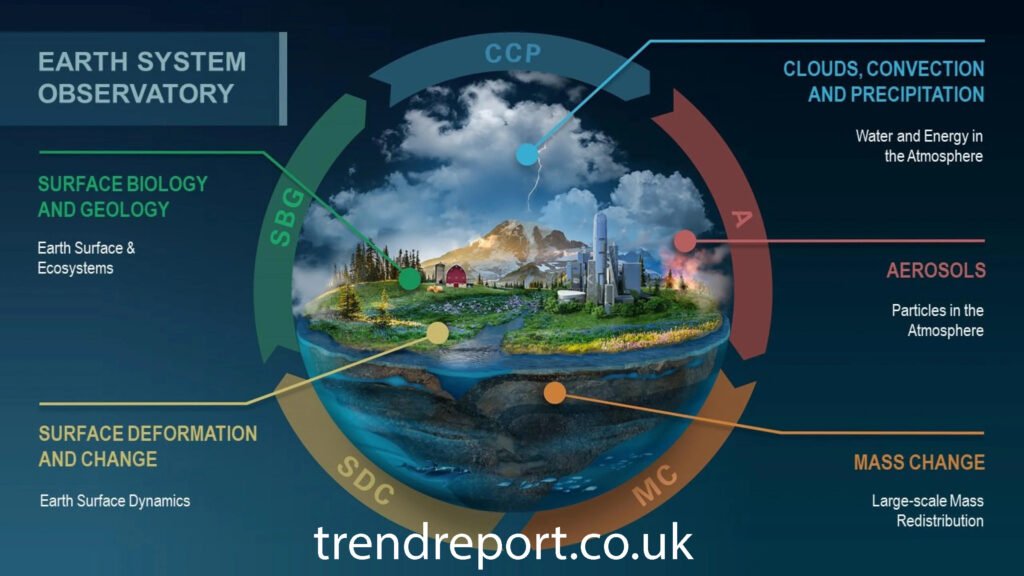
Earth science topics focus on studying our planet—its land, oceans, atmosphere, and even what’s happening deep below the surface. It’s like putting together a giant puzzle where every piece explains how Earth works as one connected system.
The Main Branches of Earth Science
Earth science is usually divided into four major areas:
-
Geology – the study of rocks, minerals, and Earth’s structure
-
Meteorology – weather, climate, and atmospheric processes
-
Oceanography – oceans, currents, and marine systems
-
Astronomy – Earth’s place in space and its relationship with other celestial bodies
And you know what’s interesting? These branches don’t work alone. They constantly overlap, just like real life.
Popular Earth Science Topics Explained Simply
Geology: More Than Just Rocks
Geology sounds boring until you realize it explains earthquakes, volcanoes, mountains, and even where natural resources come from.
Key geology topics include:
-
Plate tectonics and continental drift
-
Rock cycles and mineral formation
-
Earthquakes and fault lines
-
Volcanoes and lava flow
So yes, that rock under your shoe? It has a history older than humanity.
Meteorology: Why the Weather Never Follows the Plan
We’ve all checked the weather forecast and thought, Well, that was wrong. Meteorology studies why weather behaves the way it does—and why it sometimes surprises us.
Important meteorology topics:
-
Weather patterns and forecasting
-
Climate change and global warming
-
Storms, hurricanes, and tornadoes
-
Atmospheric pressure and wind systems
To be honest, understanding weather makes you appreciate just how powerful—and unpredictable—nature can be.
Oceanography: The Mystery Beneath the Waves
Oceans cover more than 70% of Earth, yet we’ve explored less of them than space. That alone makes oceanography one of the most exciting earth science topics.
Oceanography explores:
-
Ocean currents and tides
-
Marine ecosystems
-
Sea floor geology
-
The ocean’s role in climate regulation
And yes, oceans help control global temperatures. Wild, right?
Astronomy: Earth’s Place in the Universe
Astronomy connects Earth science to space. It helps us understand how the sun, moon, and planets affect life on Earth.
Common astronomy topics include:
-
Earth’s rotation and revolution
-
Seasons and eclipses
-
Gravity and orbital motion
-
Solar energy and its impact
So when you enjoy a sunny day, you’re experiencing astronomy in action.
Why Earth Science Topics Matter in Everyday Life
Here’s the thing—earth science isn’t just academic. It’s practical.
Earth science helps us:
-
Predict natural disasters
-
Manage natural resources
-
Understand climate change
-
Protect ecosystems and communities
And honestly, in a world facing environmental challenges, earth science knowledge feels more important than ever.
How Earth Science Connects to Climate Change
Climate change isn’t just one topic—it’s a result of many earth science processes interacting.
Earth science topics related to climate include:
-
Carbon cycles
-
Ice caps and glaciers
-
Rising sea levels
-
Human impact on ecosystems
So, learning earth science isn’t about fear. It’s about awareness and smarter choices.
Tips for Learning Earth Science Without Feeling Overwhelmed
Let’s be real—science can feel heavy sometimes. But it doesn’t have to.
Try this:
-
Start with topics you already find interesting
-
Watch documentaries or short explainer videos
-
Follow science blogs written in plain language
-
Connect concepts to real-world events
Trust me, once it clicks, it’s actually fun.
Conclusion: Earth Is Always Teaching Us
Earth science topics help us understand where we live, how it works, and why it matters. From the ground beneath our feet to the clouds above our heads, Earth is constantly telling a story.
So stay curious. Ask questions. And remember—every small discovery brings you closer to understanding this incredible planet we call home.