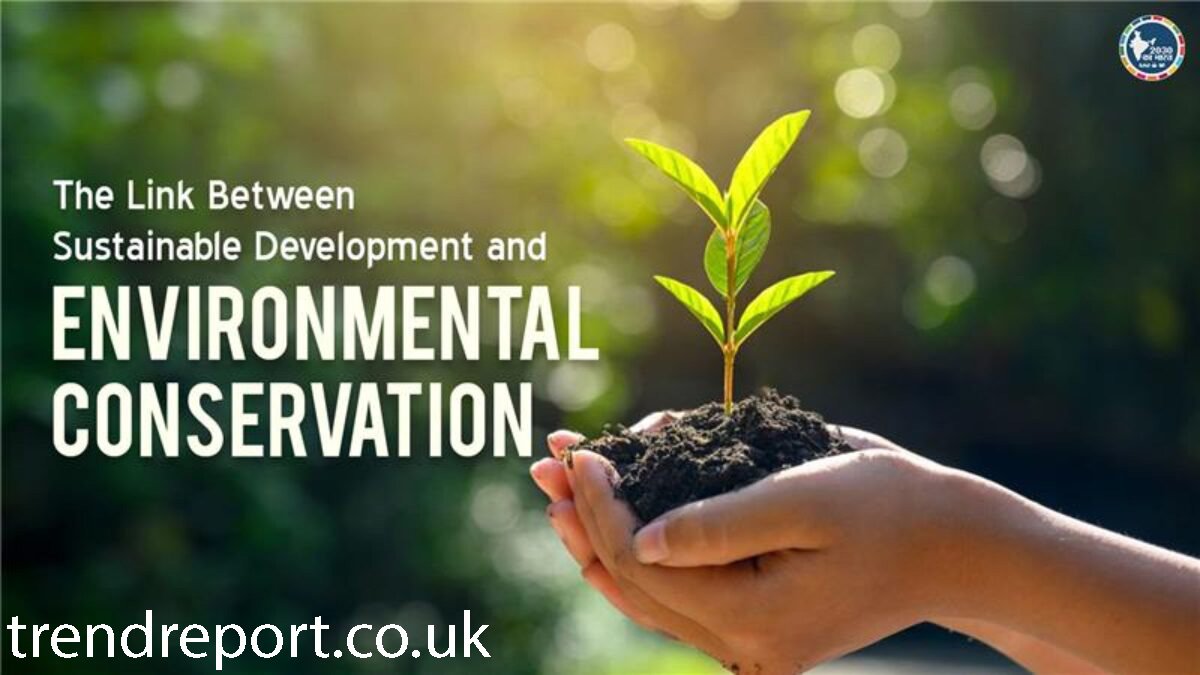
Environmental Conservation: Why It Matters More Than Ever (And What We Can Actually Do)
Introduction: A Simple Thought That Changes Everything
Have you ever stepped outside, taken a deep breath, and thought, wow, this place feels different than it used to? Maybe the summers feel hotter, the rains more unpredictable, or the birds a little quieter. We’ve all been there. And to be honest, that feeling isn’t just in your head. It’s one of the many reasons environmental conservation has become such an important conversation today.
But here’s the good news: protecting the environment isn’t just for scientists, governments, or big organizations. It’s something you and I can be part of—without completely changing our lives. Trust me, you’ll see why.
What Is Environmental Conservation, Really?
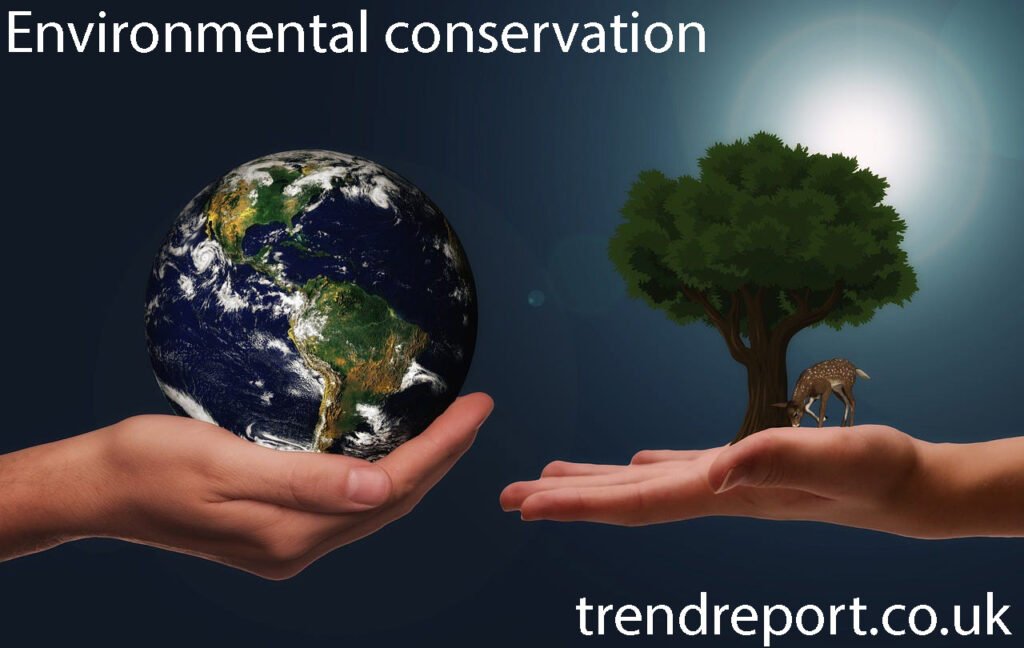
Environmental conservation is all about protecting, preserving, and responsibly managing natural resources like forests, water, wildlife, and air. Sounds big, right? But at its heart, it’s actually pretty simple.
The Core Idea Behind Conservation
Environmental conservation focuses on:
-
Using natural resources wisely
-
Reducing pollution and waste
-
Protecting ecosystems and biodiversity
-
Ensuring future generations can enjoy a healthy planet
And you know what’s interesting? Conservation isn’t about saying “no” to development. It’s about finding balance—so progress doesn’t come at the cost of nature.
Why Environmental Conservation Is So Important
Let’s break this down in a way that actually makes sense.
1. It Protects Our Health
Clean air, safe drinking water, and healthy food all come from a well-protected environment. When ecosystems are damaged, pollution increases—and so do health problems.
And honestly, no one wants to live in a world where breathing clean air feels like a luxury.
2. It Preserves Wildlife and Biodiversity
Every species, from the smallest insect to the largest mammal, plays a role in the ecosystem. When one disappears, it affects everything else.
Environmental conservation helps:
-
Prevent species extinction
-
Protect natural habitats
-
Maintain ecological balance
So yes, saving animals isn’t just emotional—it’s essential.
3. It Helps Fight Climate Change
Deforestation, pollution, and overuse of fossil fuels all contribute to climate change. Conservation practices like tree planting, renewable energy use, and sustainable farming help reduce greenhouse gas emissions.
And while climate change can feel overwhelming, small conservation efforts really do add up.
Everyday Actions That Support Environmental Conservation
Here’s where things get practical. You don’t need to be perfect—just aware.
Simple Things You Can Do Starting Today
-
Reduce, reuse, and recycle whenever possible
-
Save water by fixing leaks and turning off taps
-
Use energy-efficient appliances
-
Avoid single-use plastics
-
Support eco-friendly brands
And yes, even switching off unused lights counts. Small habits matter more than you think.
Community Efforts Make a Big Difference
Joining or supporting local conservation projects can be incredibly impactful. Tree-planting drives, clean-up events, and awareness campaigns bring people together—and create visible change.
Plus, it feels good to be part of something bigger. We’ve all felt that sense of pride after doing something meaningful.
The Role of Technology in Environmental Conservation
You might be surprised, but technology is actually helping the planet in many ways.
Smart Solutions for a Greener Future
-
Renewable energy like solar and wind power
-
Electric vehicles reducing carbon emissions
-
Apps that track energy use and waste
-
Advanced recycling technologies
So, while technology sometimes gets blamed for environmental damage, it’s also part of the solution when used responsibly.
Challenges We Still Face
Let’s be real—environmental conservation isn’t easy.
Major Obstacles
-
Overpopulation and overconsumption
-
Lack of awareness or education
-
Weak environmental laws in some regions
-
Short-term economic interests
But here’s the thing: awareness is growing. More people care now than ever before. And that shift? It matters.
Why Your Choices Truly Matter
It’s easy to think, What difference can one person make? But history shows us that change often starts small.
When enough people:
-
Choose sustainable products
-
Demand responsible policies
-
Educate others
Real transformation happens. And it starts with everyday decisions.
Conclusion: The Future Is Still in Our Hands
Environmental conservation isn’t about fear—it’s about hope. It’s about protecting the planet we call home and making sure future generations inherit a world worth living in.
So start small. Stay consistent. And remember, every positive action—no matter how minor it seems—moves us closer to a healthier, greener future.