Leadership Skills: What Truly Makes Someone a Great Leader?
Introduction: We’ve All Seen Bad Leadership… Right?
Let’s be honest for a second. We’ve all worked with—or for—someone who had the title of “leader” but absolutely none of the leadership skills. You know the type. Great at giving orders, not so great at listening. Confident on the surface, but completely lost when things go wrong.
And that’s the thing. Leadership isn’t about a job title, a corner office, or sounding authoritative in meetings. Actually, real leadership skills go much deeper than that. They’re about people, emotions, decisions, and trust. And the good news? These skills aren’t something you’re born with. They’re learned, practiced, and refined over time.
So, if you’ve ever wondered what separates truly effective leaders from the rest, you’re in the right place. Let’s break it down in a real, human way.
What Are Leadership Skills, Really?
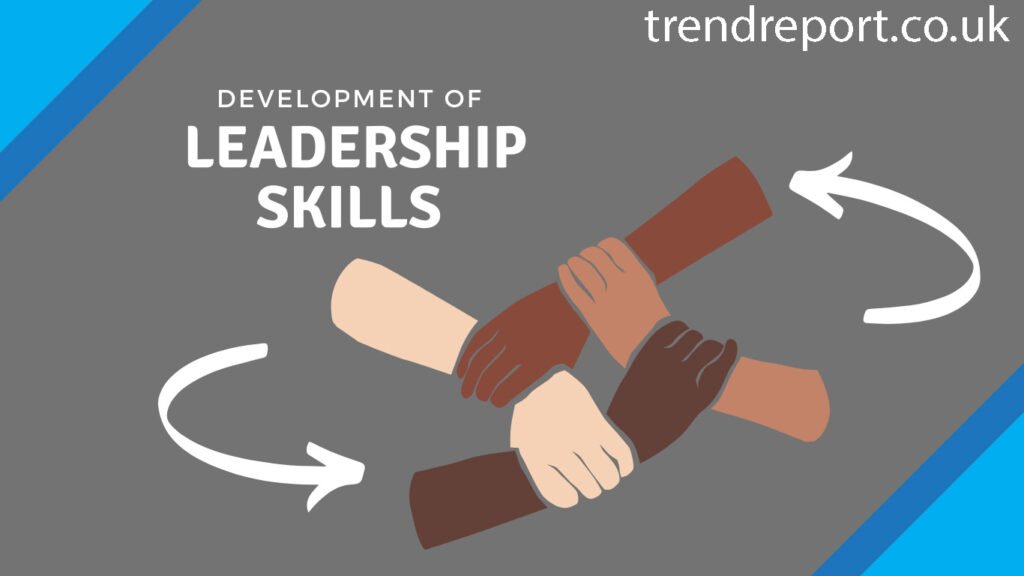
Leadership skills are the abilities that help someone guide, motivate, and influence others toward a shared goal. Sounds simple, right? But in practice, it’s a mix of communication, emotional intelligence, problem-solving, and a whole lot of self-awareness.
You know what’s interesting? The best leaders don’t focus on controlling people. They focus on empowering them. And that mindset changes everything.
Core Leadership Skills That Actually Matter
Communication Skills: More Than Just Talking
Here’s the truth—great leaders are great communicators. But that doesn’t mean they talk the most. In fact, many of them listen more than they speak.
Effective communication skills include:
-
Explaining ideas clearly without overcomplicating things
-
Listening actively (not just waiting for your turn to talk)
-
Giving honest, respectful feedback
-
Adjusting your tone depending on who you’re speaking with
To be honest, most leadership problems start with poor communication. When people feel unheard or confused, trust breaks down fast.
Emotional Intelligence: The Hidden Leadership Superpower
Emotional intelligence is one of those leadership skills people underestimate—until they see its impact.
It’s the ability to:
-
Understand your own emotions
-
Recognize emotions in others
-
Respond with empathy instead of ego
We’ve all been there—stress is high, deadlines are tight, and tempers flare. A leader with strong emotional intelligence doesn’t react impulsively. They pause. They understand. And then they respond calmly.
Trust me, teams remember how you made them feel long after they forget what you said.
Decision-Making Skills: Choosing Even When It’s Hard
Leadership often means making decisions when there’s no perfect option. And yeah, that can feel uncomfortable.
Strong decision-making skills involve:
-
Analyzing situations logically
-
Considering long-term consequences
-
Taking responsibility for outcomes
-
Learning from mistakes instead of hiding them
And guess what? Good leaders don’t always get it right. But they own their choices. That accountability builds massive respect.
Leadership Skills in Action: Real-Life Examples
Leading Through Change
Change is tough. People resist it naturally. But leaders with strong leadership skills guide their teams through uncertainty by being transparent and supportive.
Instead of saying, “This is how it’s going to be,” they say, “Here’s why we’re doing this, and here’s how we’ll get through it together.”
That small shift in language makes a huge difference.
Building Trust Within a Team
Trust isn’t built overnight. It’s built through consistency.
Great leaders:
-
Keep their promises
-
Admit when they’re wrong
-
Give credit where it’s due
-
Treat everyone fairly
And honestly, once trust is there, everything else becomes easier—productivity, collaboration, even creativity.
How to Develop Leadership Skills (Even If You’re Not a Manager)
Here’s something people don’t talk about enough: you don’t need a leadership role to practice leadership skills.
You can start by:
-
Taking initiative on small projects
-
Helping teammates without being asked
-
Communicating openly and respectfully
-
Seeking feedback and actually using it
So yeah, leadership is more about behavior than position. And the earlier you start, the better you get.
Continuous Learning: Leaders Never Stop Growing
The most effective leaders are always learning. They read, ask questions, and reflect on their experiences.
Some simple ways to grow your leadership skills:
-
Read books on leadership and personal development
-
Observe leaders you admire (and learn from bad ones too)
-
Practice self-reflection regularly
-
Ask mentors for guidance
You’ll see improvement faster than you expect.
Common Leadership Mistakes to Avoid
Even the best leaders slip up sometimes. But being aware of common mistakes helps you avoid them.
Watch out for:
-
Micromanaging instead of trusting your team
-
Avoiding tough conversations
-
Letting ego drive decisions
-
Ignoring feedback
But don’t beat yourself up if you recognize a few of these. Awareness is the first step to growth.
Conclusion: Leadership Skills Are Built, Not Given
So here’s the bottom line. Leadership skills aren’t about being perfect or having all the answers. They’re about showing up, caring about people, and being willing to grow.
Whether you’re leading a team, a project, or just yourself, these skills shape how others experience you. And when practiced consistently, they can transform not just your career—but your confidence too.